Current production methods are unsustainable due to their inability to support a growing population while maintaining environmental responsibility. Though consumption habits also present challenges, this series focuses on production processes and emerging technologies.
Modern infrastructure still relies on a petroleum-based system designed by Thomas Edison in the late 1800s, involving energy generation from fossil fuels, transmission via high-voltage wires, transformer conversion, and consumer distribution.
This approach enabled Western prosperity but cannot be globally implemented. China exemplifies this problem — rapid industrial expansion created economic growth while devastating environmental conditions through manufacturing-scale pollution.
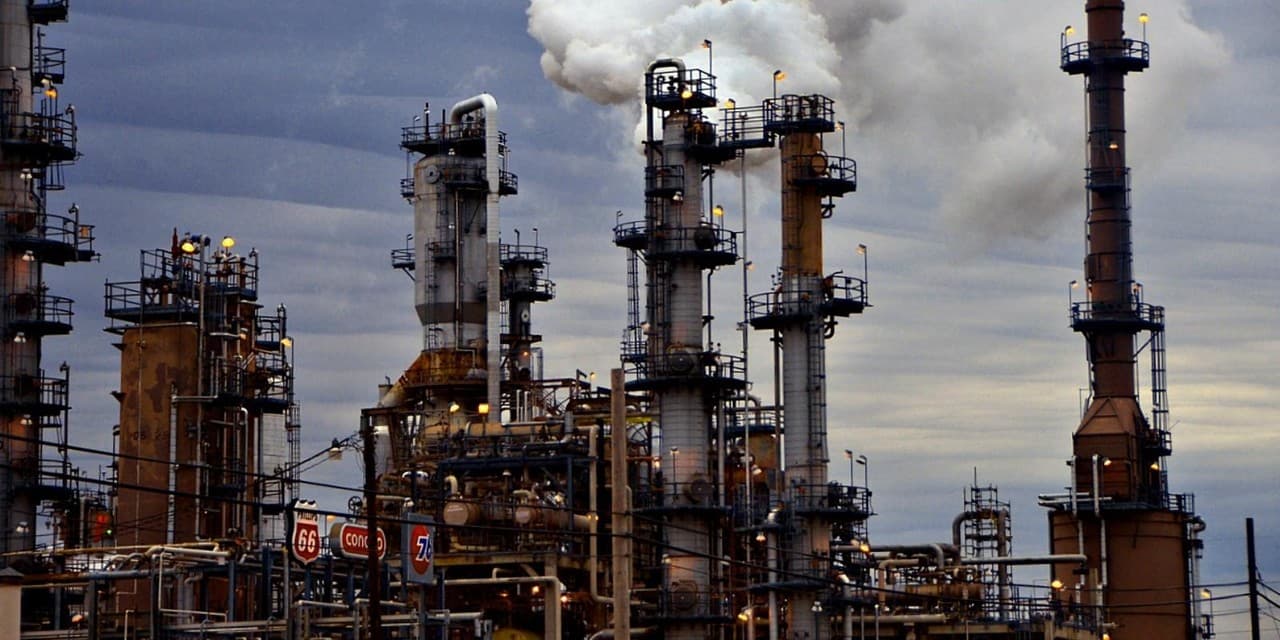
The fossil fuel extraction pipeline involves geological discovery, deep-earth drilling, long-distance transportation through underground pipelines, and massive refinement plants that emit excessive carbon. This process produces hazardous conditions while potentially replaceable resources could be substituted.
Transportation industry shifts alone could reduce petroleum consumption by 30%, as Tesla exemplifies with alternative solutions.
As Dr. Seuss reminds us, we must take environmental responsibility seriously. Part III will explore how decentralized infrastructure, blockchain technology, and social networks can create harmony between environmental, economic, and social interests.